




Heart Arrhythmia vs. AFib: How They Differ and When to Get Help
Most of us have felt our heart skip, flutter, or race at some point. Usually it passes and means nothing. But when the sensation keeps returning, it’s worth understanding...
WE ARE HERE FOR YOU
"*" indicates required fields
Choose from our 4 convenient offices across the Philadelphia region
COMPREHENSIVE CARE
An “echo” is a procedure where sound waves are used to visualize heart structures.
Patients with abnormal heart rhythms may require an electrophysiology study.
Patients with decreased blood flow in their legs or arms may require peripheral angiography.
Patients with decreased blood flow to the heart may require cardiac catheterization.
From diagnostics to advanced vein treatments, our expanded vascular team is here to help you feel and move better. Whether you’re managing a chronic condition or looking for relief from discomfort, AMS now offers more ways to support your vascular health.
Early detection and preventive cardiology can make all the difference. Take the next step in protecting your heart.
KNOW
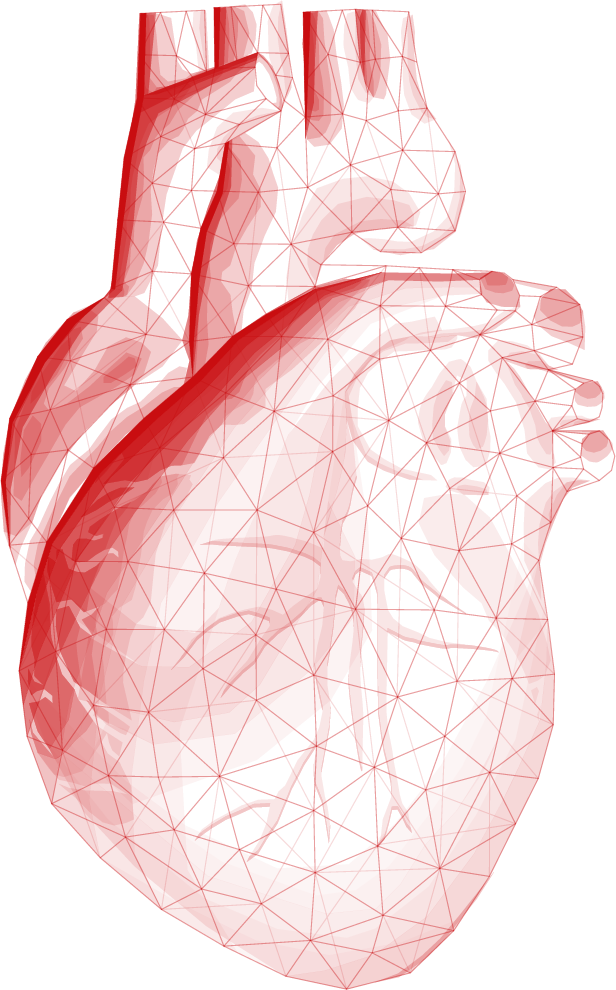
Around 100,000 times a day, while you work, sleep, eat and exercise, a sophisticated muscle in your chest is flexed, pushing blood into your lungs to be suffused with oxygen, and circulating freshly oxygenated blood from the lungs back into your organs. Respecting your heart, and appreciating how it does its very important work, is the first step in maintaining its healthy functionality.
The central channel from the heart to the body, the aorta carries oxygen-rich blood from the left ventricle to the various parts of the body as the left ventricle contracts. Because of the large pressure produced by the left ventricle, the aorta is the largest single blood vessel in the body.
The pulmonary arteries are blood vessels that carry systemic venous blood from the right ventricle of the heart to the microcirculation of the lungs. Unlike in other organs where arteries supply oxygenated blood, the blood carried by the pulmonary arteries is deoxygenated, as it is venous blood returning to the heart.
The right atrium, one of the four chambers of the heart, receives oxygen-poor blood from the body and pumps it to the right ventricle.
The left atrium, one of the four chambers of the heart, receives oxygen-rich blood from the lungs and pumps it to the left ventricle.
The right ventricle, one of the four chambers of the heart, pumps the oxygen-poor blood to the lungs.
The left ventricle, one of the four chambers of the heart, pumps the oxygen-rich blood to the body.
This protective layer consists mostly of connective tissue and forms the innermost layer of the pericardium.
KNOW
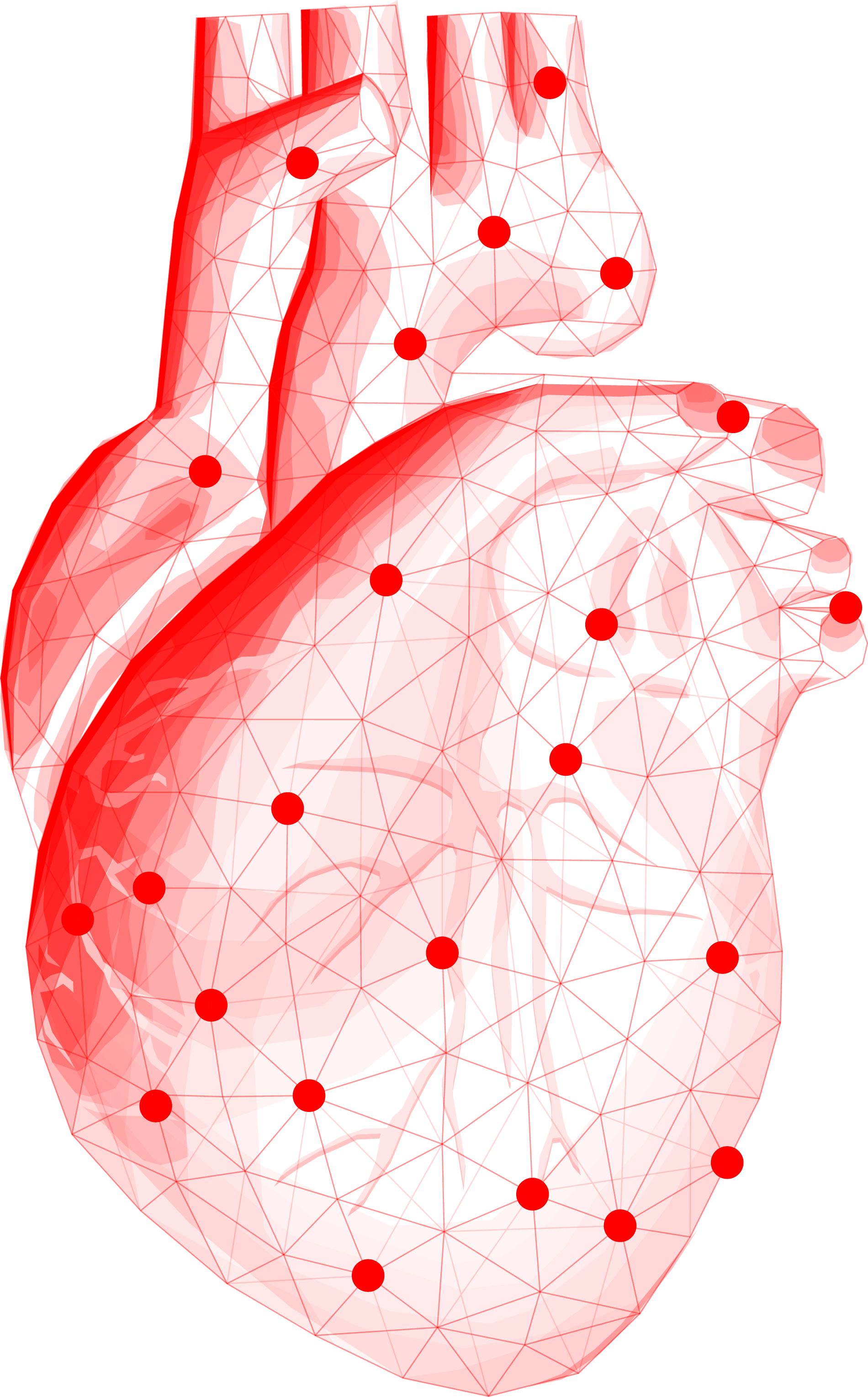
Around 100,000 times a day, while you work, sleep, eat and exercise, a sophisticated muscle in your chest is flexed, pushing blood into your lungs to be suffused with oxygen, and circulating freshly oxygenated blood from the lungs back into your organs. Respecting your heart, and appreciating how it does its very important work, is the first step in maintaining its healthy functionality.
The central channel from the heart to the body, the aorta carries oxygen-rich blood from the left ventricle to the various parts of the body as the left ventricle contracts. Because of the large pressure produced by the left ventricle, the aorta is the largest single blood vessel in the body.
The pulmonary arteries are blood vessels that carry systemic venous blood from the right ventricle of the heart to the microcirculation of the lungs. Unlike in other organs where arteries supply oxygenated blood, the blood carried by the pulmonary arteries is deoxygenated, as it is venous blood returning to the heart.
The right atrium, one of the four chambers of the heart, receives oxygen-poor blood from the body and pumps it to the right ventricle.
The left atrium, one of the four chambers of the heart, receives oxygen-rich blood from the lungs and pumps it to the left ventricle.
The right ventricle, one of the four chambers of the heart, pumps the oxygen-poor blood to the lungs.
The left ventricle, one of the four chambers of the heart, pumps the oxygen-rich blood to the body.
This protective layer consists mostly of connective tissue and forms the innermost layer of the pericardium.
Recover with confidence in our brand-new Intensive Cardiac Rehab Center.
The program combines supervised exercise, nutrition counseling, and emotional support under one roof.
STAY UP TO DATE
Most of us have felt our heart skip, flutter, or race at some point. Usually it passes and means nothing. But when the sensation keeps returning, it’s worth understanding...
Finding the Right Cardiologist Near You: Choose Your Trusted Local Heart Specialists Your heart works hard every day, and when something feels off, the last thing you want is...
Peripheral Vascular Disease: Warning Signs, Causes, and Treatment Options Your legs shouldn’t hurt when you walk. If they do, and the pain eases when you stop, that’s not just...
STAY UP TO DATE
2020 was hard for everyone—physically, emotionally and mentally. As we ring in the new year and welcome 2021 with open arms,...
Most of us have felt our heart skip, flutter, or race at some point. Usually it passes and means nothing. But when...
Finding the Right Cardiologist Near You: Choose Your Trusted Local Heart Specialists Your heart works hard every day, and when something feels...