
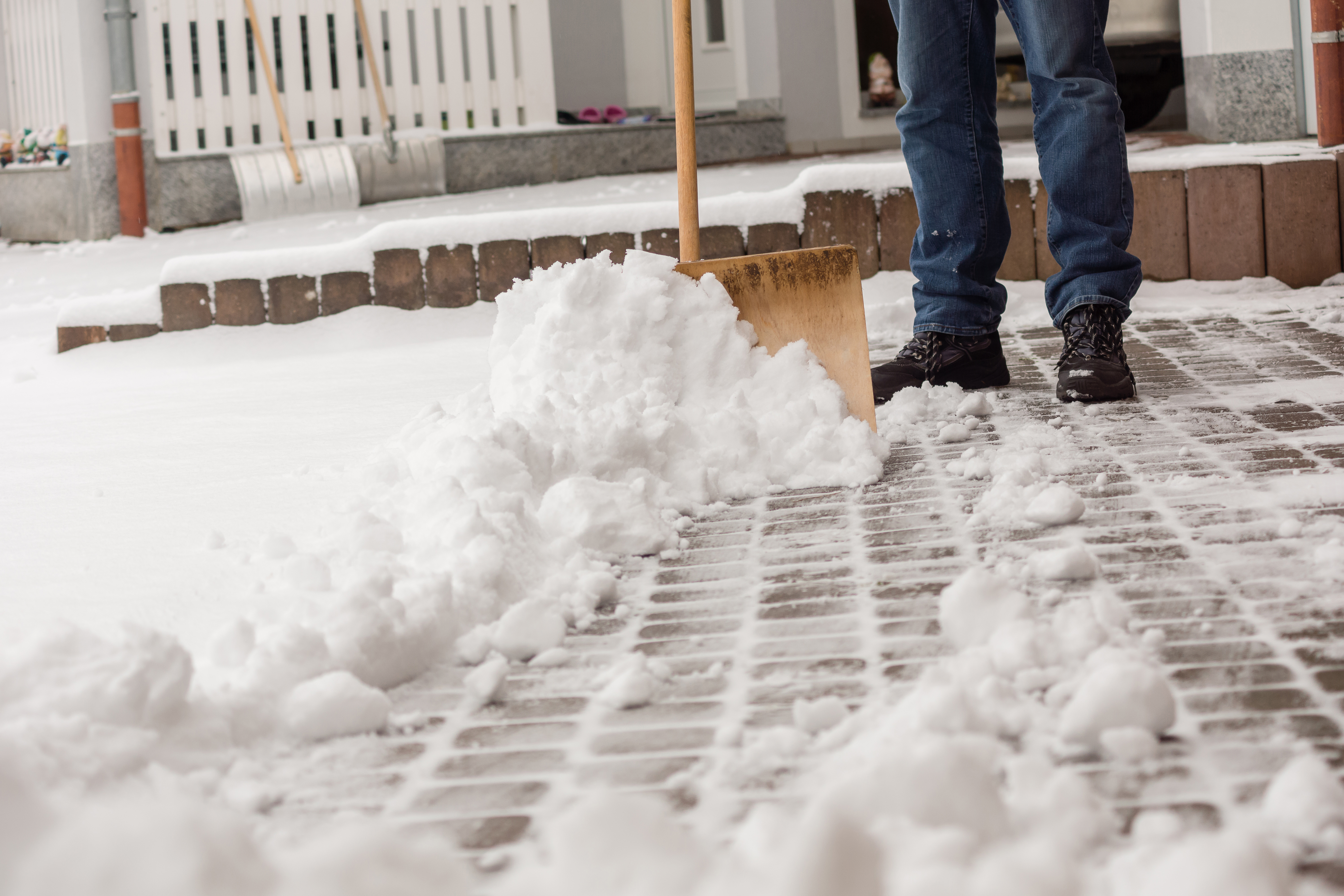
 While a necessity in many parts of the world, we often don’t realize just how demanding snow shoveling can be on our bodies. Sore legs, aching muscles, and burning shoulders are all the typical adverse signs of this dreaded chore but shoveling snow is also the cause of hundreds of fatal injuries throughout the nation each year. You may be wondering how a common chore like shoveling snow can cause so many fatalities and the answer is heart attacks. Shoveling is a demanding activity that causes a great deal of strain to the cardiovascular system, especially in people who have been sedentary for an extended period of time. Combine that with the cold temperatures and can be less than optimal. Before you tackle the first snow of the season, make sure to read these safe and smart techniques assembled by our expert physicians at AMS Cardiology to avoid any injuries this season.
Warm Up Before Heading Out
Just like before any workout, take some time to warm up your muscles. Jogging in place or bending from side to side can help stretch you out before you begin and help reduce the risk of injury.
Check the Weather and Wear Layers
Before you head out, check the weather. Dress in comfortable, loose-fitting clothing that is insulated but also provides some ventilation. Excessive sweating can lead to an increase in heat loss, so make sure to dress in layers and remove them as you become warm.
Choose the Proper Shovel and Use the Proper Technique
The type of shovel you use can make all the difference, saving you extra weight that you don’t need to be lifting. Opt for a shovel that is ergonomically designed when possible and always choose a smaller plastic shovel over a large metal one. When shoveling, try pushing the snow rather than lifting to reduce strain. When lifting is necessary, lift with your legs, not your back, and keep your back straight. Avoid twisting your body to reduce further strain.
Take a Break—Don’t Overdo It
Push the pause button on your snowy workout frequently. Give yourself a chance to catch your breath approximately every 30 minutes. Consider shoveling periodically throughout the storm or keep up with the snowfall as fresh snow is lighter than wet snow and your labor will be less intensive.
Stay Hydrated
This is a workout, so treat it like one! While a warm cup of cocoa may seem ideal, keep yourself properly hydrated by drinking plenty of water during and after shoveling.
No matter what your age or physical condition is, make sure to always listen to your body. If you’re feeling dizzy, faint, nauseous, or have pains in your chest or back, stop shoveling immediately. We know shoveling isn’t the easiest task, but at AMS Cardiology, we hope by following these smart tips you can shovel more safely this season. We are always welcoming new patients, so contact us today to schedule an appointment with one of our physicians.